
From dinner cruise boats to sightseeing vessels, from overnight cruise ships to passenger and vehicle ferries, 2025 saw several new vessels join PVA operator fleets and be delivered by PVA associate members. A few of the vessels were rebuilds, breathing new life into existing vessels, though most were new builds as the industry looks to revitalize by replacing aging ships or launching ships that adopt innovative technologies.
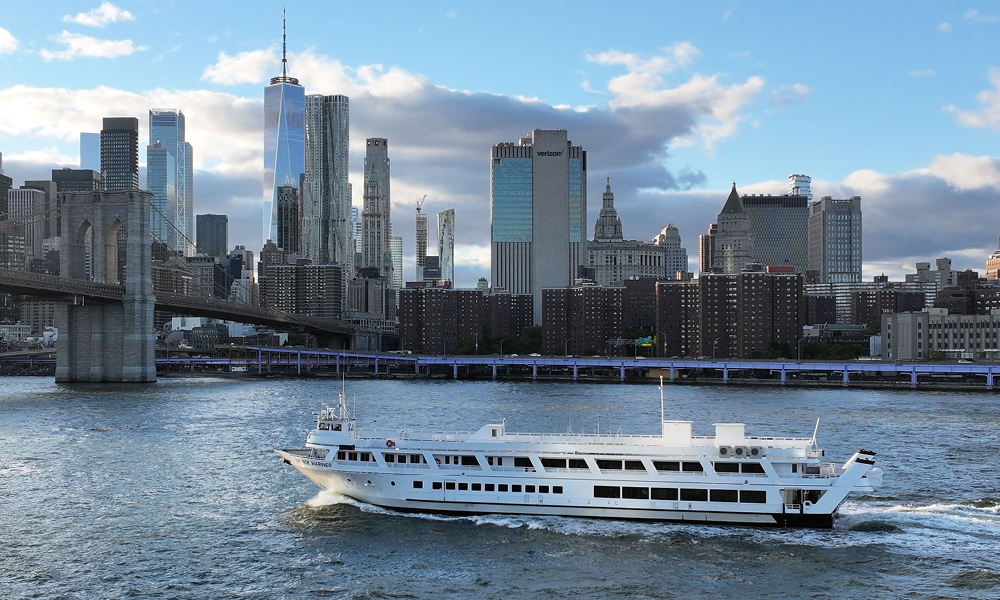
Vessel: Grande Mariner
Operator: NYC Water Cruises
Naval Architect: DeJong & Lebet, Inc.
Type: Dinner cruise boat
NYC Water Cruises worked with the team at DeJong & Lebet, Inc. to reimagine an overnight, 100-passenger cruise ship into a 600-passenger dinner cruise boat for New York City. The 185ʹ steel monohull Grand Mariner was delivered in January of this year after the completed transformation. With a cruising speed of 8 knots and a top speed of 10 knots, the diesel-powered vessel tours New York Harbor for sunset cruises, special holiday events, Statue of Liberty cruises, and more.
Vessel: Aquinnah
Operator: Woods Hole, Martha’s Vineyard and Nantucket Steamship Authority
Type: Passenger, freight, and vehicle ferry
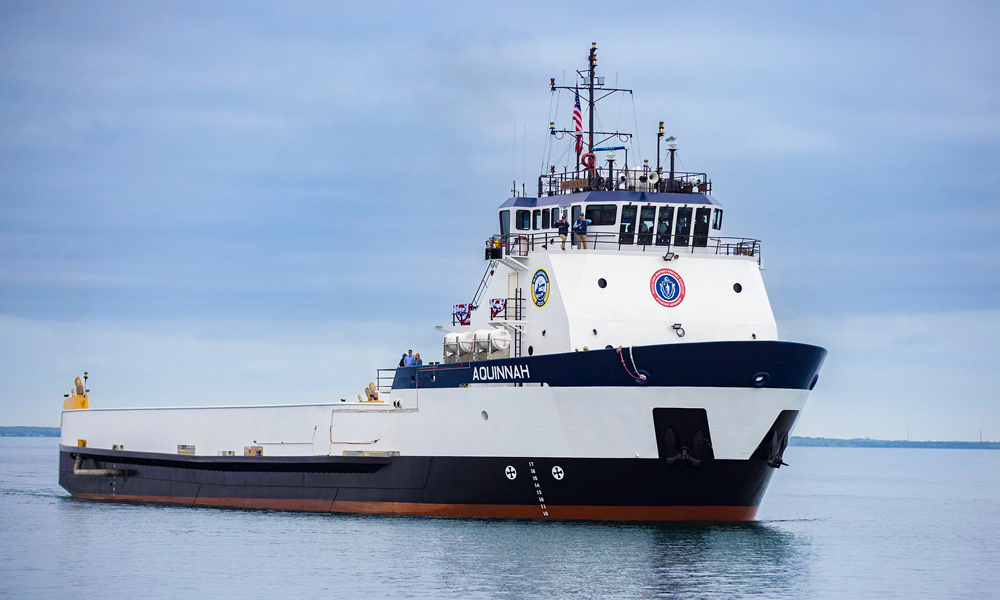
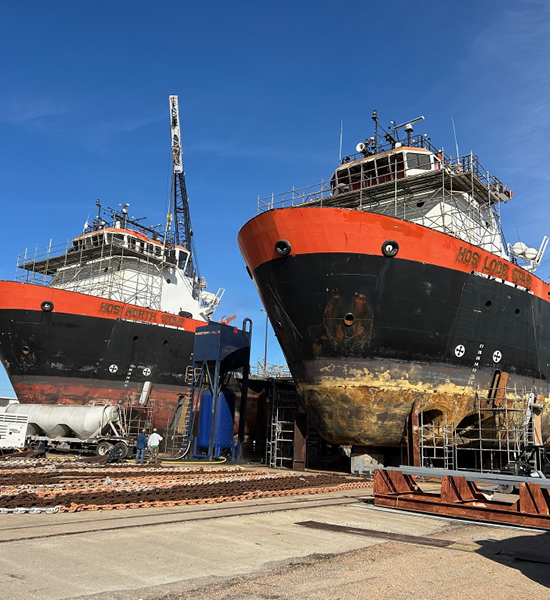
The Aquinnah, a former offshore vessel (OSV), joined the Woods Hole, Martha’s Vineyard and Nantucket Steamship Authority fleet in February. It is the sister ship of the Barnstable which went into service last year and the upcoming Monomoy which is expected to enter service early in 2026.
The OSVs were in good condition when purchased having been in operation for only five or six years before being retired. Though older on paper, there was minimal wear and tear, making them relatively newer than the vessels that the company was looking to replace.
The vessels were bisected and the length reduced to 245ʹ. They were outfitted with two 2,000 hp Caterpillar engines, two controllable pitch propellers, and three 950 horsepower thrusters to allow for greater maneuverability. There was also a consideration that they lend themselves to eventually being converted to a propulsion system such as hybrid electric. The vessels now feature state-of-the-art radar, communications, and navigation systems; two marine evacuation systems and a rescue boat; and an interior passenger area with seating for approximately 80 passengers. The new ferries can carry 350 passengers and the equivalent of approximately 50 automobiles per trip.
As true sister ships, any one of them will be able to be substituted without issue for another when needed, saving the team a logistical headache.
Vessel: DC1
Operator: CREST (Crowley + ESVAGT)
Builder: Derecktor Shipyards
Type: Offshore wind crew transfer vessel
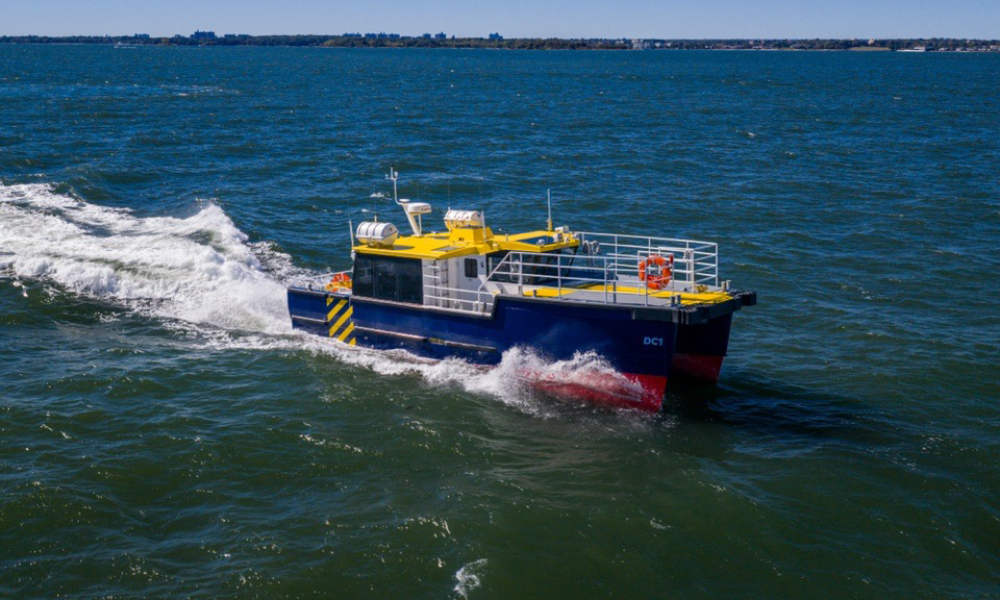
In November, Derecktor Shipyards delivered a crew transfer vessel (CTV) to CREST Wind, a joint venture between PVA associate member Crowley and the Danish company ESVAGT. The 40ʹ vessel accommodates eight passengers and operates under 46 CFR Subchapter T. Powered by a Volvo Penta D6 IPS 500, the aluminum catamaran has a maximum speed of 25 knots and a cruising speed of 20.
Vessel: Harbor Charger
Operator: The Trust for Governors Island
Naval Architect: Elliott Bay Design Group
Builder: Conrad Shipyard
Type: Passenger ferry
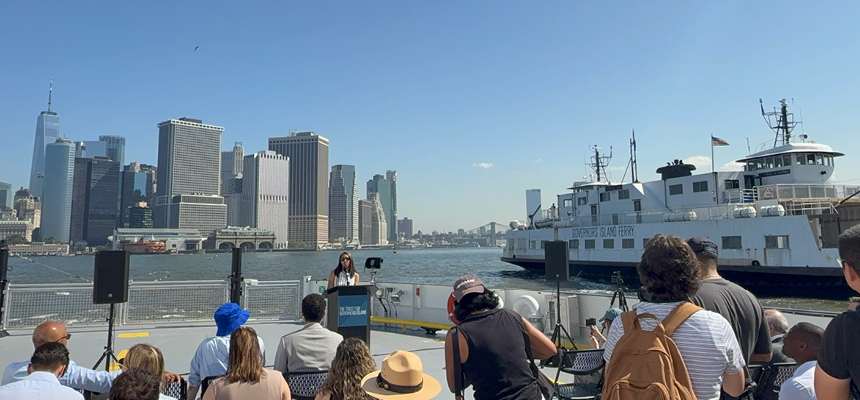
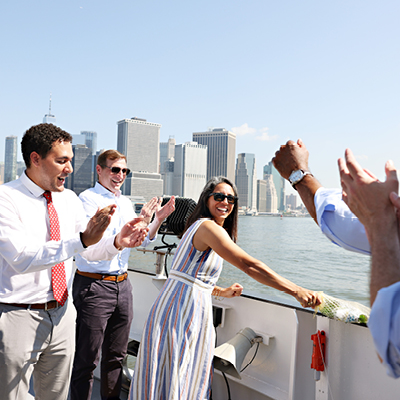
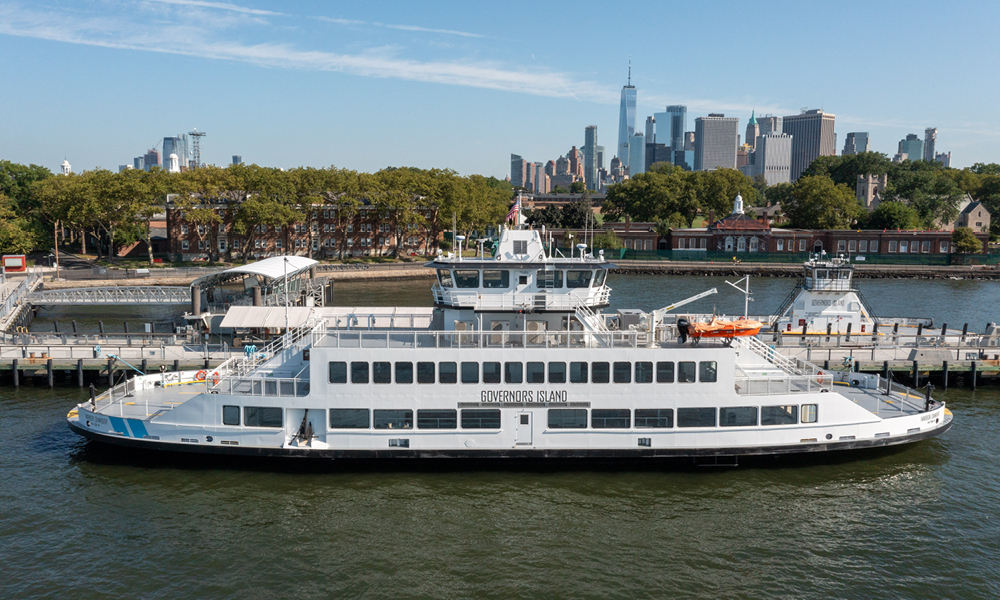
The 190ʹ Harbor Charger is equipped with a hybrid propulsion system from Siemens Energy which allows the boat’s systems to toggle between three modes: zero-emissions, battery-only power, and battery assisted hybrid with diesel backup. The battery-assisted hybrid mode will reduce carbon dioxide emissions by nearly 600 tons annually. Once shoreside charging facilities are installed, which are currently in the design phase, the vessel will re-duce emissions by an additional 800 tons annually.
The new ferry has a capacity to serve up to 1,200 passengers and operates under USCG Subchapter K. The Harbor Charger has a cruising speed of 10 knots and is equipped with modern passenger amenities, including a lower-level ADA-accessible lounge and restrooms on each level, enhancing the overall travel experience.
Vessel: Blue Rocket, Gold Rush
Operator: Blue & Gold Fleet
Builder: Brix Marine
Type: Tour boat
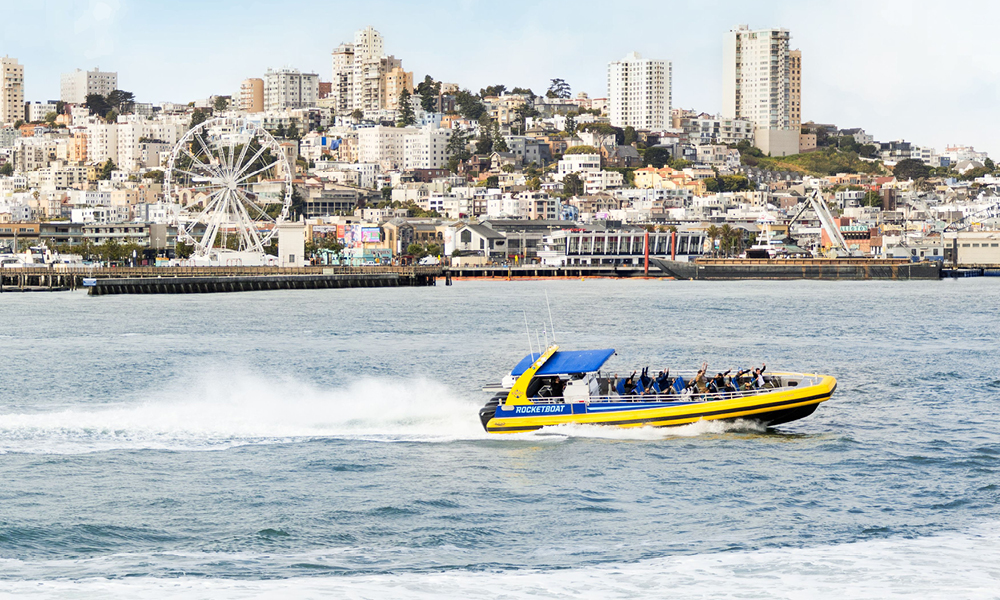
This summer, two aluminum 46ʹ tour boats by Brix Marine rocketed into service, carrying 49 passengers and two crew on 30-minute high-speed tours in the San Francisco Bay. Operated by Blue & Gold Fleet, each vessel has a hull skin made of 5086 alloy aluminum while the yellow Naiad D-shaped, outer foam collars are made of heavy-duty Erez with a double black PVC rub strip.
Four Cox CXO300 4.4-liter, twin turbo V8 diesel electric outboards with stainless steel props supply the main propulsion. The mains are connected to a quad outboard steering system. Deck accessories include fabricated aluminum bulwarks and Coast Guard-compliant handrails, side boarding gates port and starboard, welded aluminum raft shelf above transom, welded aluminum arch and equipment bar, aluminum framed canopy with marine grade fabric, three LED deck lights mounted to arch, 16 LED deck lights, three hinged hatches for hull access, two watertight liftout hatches in outboard well, four tie-up cleats, and anodes for cathodic protection.
The passenger seats comprise two single seats, eight two-person benches, eight three-person benches, and aluminum bench seating along transom with marine grade vinyl seat and lumbar cushions designed for seven passengers.
Vessel: Atlantic Endurance
Operator: Rhode Island Fast Ferry, dba Atlantic Wind Transfers
Builder: St. Johns Shipbuilding
Type: Offshore wind crew transfer vessel
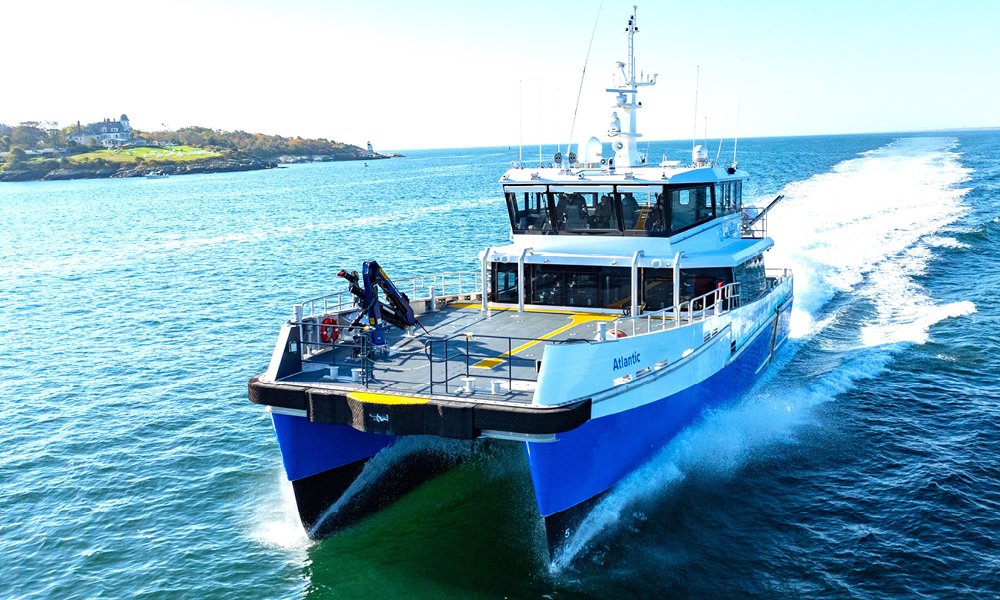
The Atlantic Endurance, an offshore wind crew transfer vessel delivered this summer, is engineered from the keel up to deliver the highest levels of safety, performance, and operational efficiencies. Fully EPA Tier 4-compliant, it meets the most stringent U.S. emissions standards and is equipped with advanced electronic, navigational, and vessel-monitoring systems that enhance situational awareness and operational control in all conditions.
Powered by next-generation MAN high-performance engines, precisely matched with ZF gears and Hamilton Waterjets, the Atlantic Endurance offers exceptional maneuverability, reduced vibration, improved fuel efficiency, and unmatched reliability during turbine transfers. Its optimized hull design and integrated ride-control systems further elevate comfort and safety for technicians and crew. Other PVA members involved in the CTV include Humphree and Furuno. The 82ʹ vessel can carry 24 passengers and has a top speed of 28.5 knots.
Vessel: Royal Princess
Operator: JAX Yacht Charter
Naval Architect: DeJong & Lebet, Inc.
Builder: St. Johns Ship Building
Type: Dinner cruise boat
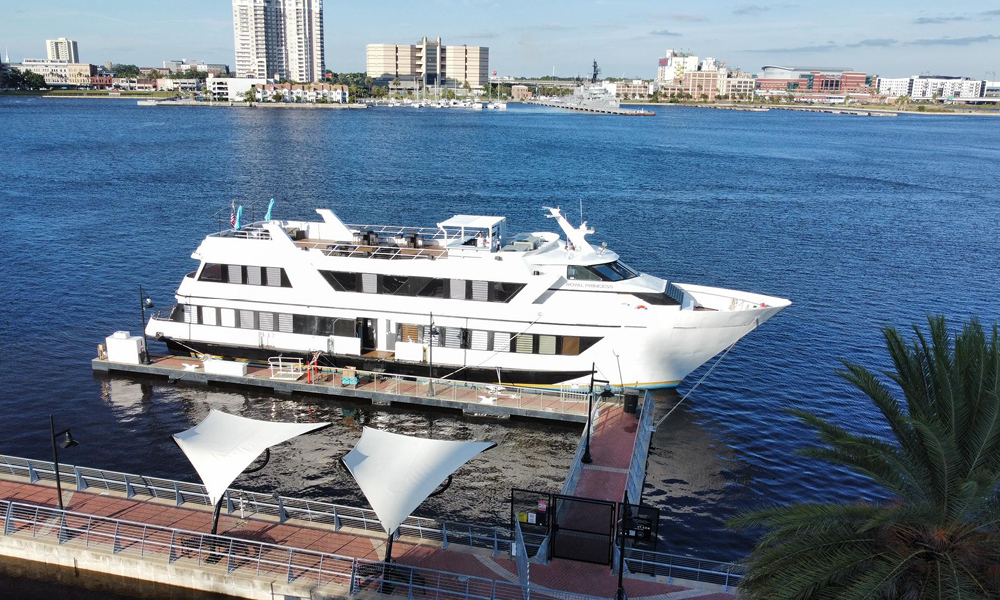
The team at JAX Yacht Charter launched their operation in 2025 with the recently transformed Royal Princess. Working with naval architects DeJong & Lebet, Inc. the company renovated the boat which they had previously operated in New York City, making major changes from bow to stern.
Significant structural alterations included shortening and moving the mast, rerouting the exhaust, replacing the air conditioning with a split system, opening the back of the first deck, and installing new electronics on the bridge including the radar and automatic identification system (AIS). From the flooring to the walls to the bathrooms, the interior was completely overhauled. Some of the work on the vessel was done by St. John’s Shipyard while extensive work was overseen directly by the operators.
A finishing touch on the exterior nods to the operators’ new homeport of Jacksonville, Fla. The white boat has black accents with teal and gold at the water line—the team colors of Jacksonville’s NFL team, the Jaguars.
Vessel: Long Island
Operator: Bridgeport & Port Jefferson Steamboat Company
Naval Architect: Gilbert Associates
Builder: Eastern Shipbuilding Group, Inc.
Type: Passenger and vehicle ferry
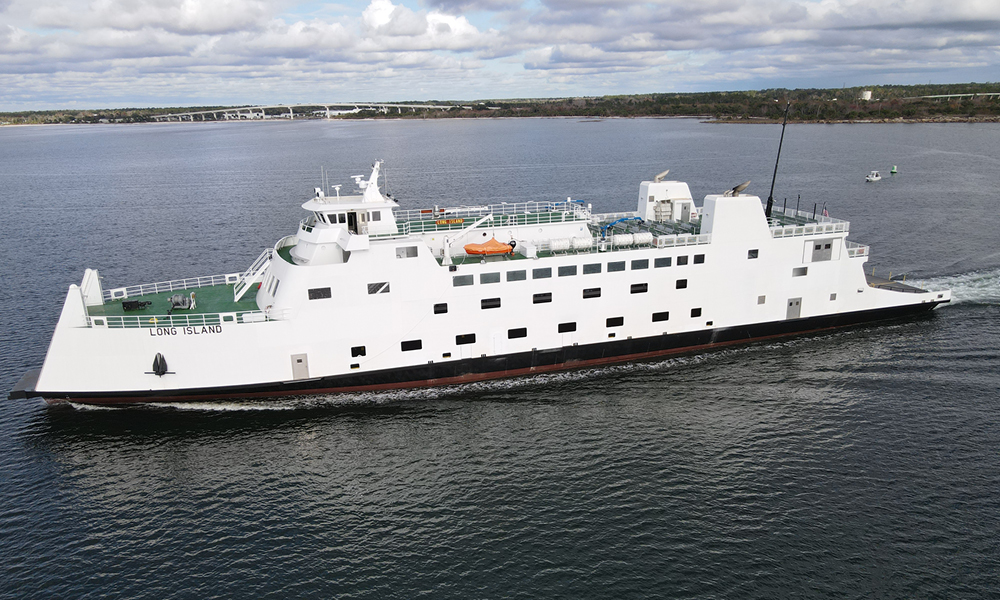
Delivered in late 2024, the Long Island entered service this year for The Bridgeport & Port Jefferson Steamboat Company carrying passengers and vehicles across the Long Island Sound between Bridgeport, Conn., and Port Jefferson, N.Y.
The 302ʹ Long Island can carry 1,000 passengers and 124 cars, or a combination of cars and tractor-trailers. Fixed vehicle ramps offer increased car carrying capacity. Fully loaded, the Subchapter H steel ferry is capable of 17 knots. Propulsion power is provided by two, 12-Cylinder Tier 4 emissions certified, EMD 12 ME 23C marine turbocharged diesel engines rated at 3000 hp at 900 RPM with Reintjes WAF 3445 3.038:1 reduction gears delivering power to 96ʺ diameter fixed pitch propellers. Ship service loads will be supplied by three John Deere 6135AFM85 diesel generators rated at 334kW @ 1800 RPM.
Heating for passenger and crew accommodations is provided by a LEED complaint boiler and hot water circulation system. The vessel features the latest technology in navigation electronics, passenger audio/visual information systems, security monitoring systems, LED lighting, and galley/food service equipment.
Vessel: Karl and Zalophus
Operator: San Francisco Bay Area Water Emergency Transportation Authority
Builder: Mavrik Marine, Inc.
Type: Passenger ferry
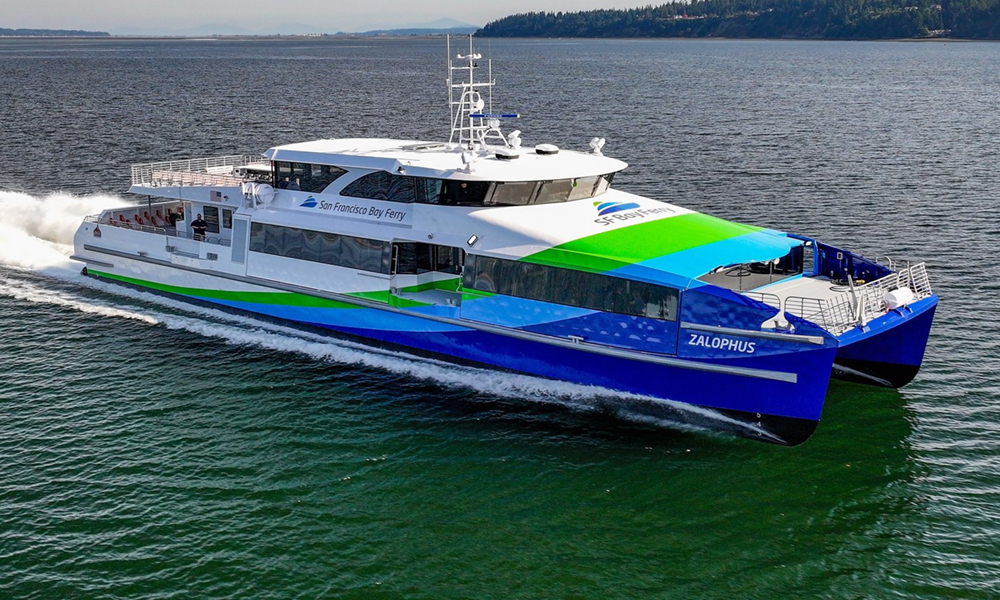
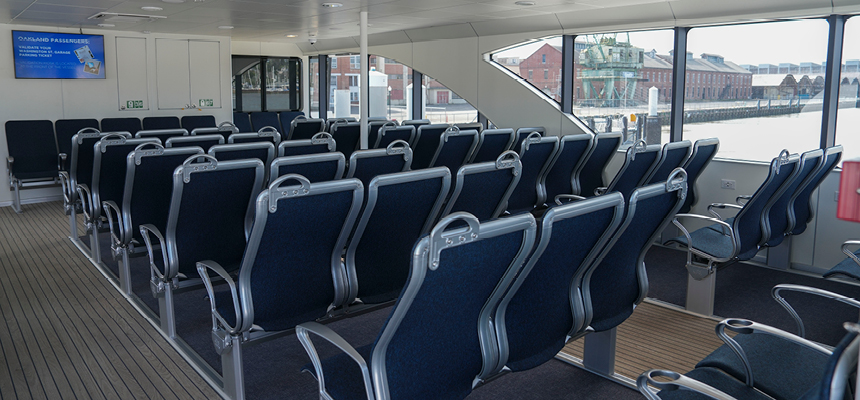
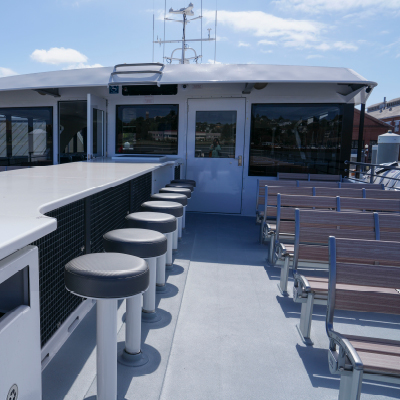
San Francisco Bay Ferry commissioned the high-speed passenger vessel, Karl, this spring, followed in August by sister ferry, Zalophus. The 137ʹ ferries differ from the previous Dorado class vessels with a propulsion upgrade to quad MAN 1450HP Tier 4 power plants turning gear boxes connected to Hamilton Jet HTX52 waterjets. The vessels are the first delivered to meet California Air Resources Board’s (CARB) new emissions limits for commercial harbor craft. They are powered by four U.S. EPA Tier 4 engines and are equipped with diesel particulate filters (DPF), a first in the passenger ferry industry.
The four-engine configuration on the ferries enhances service reliability given that the vessels can maintain high speeds with only three engines in operation. This built in redundancy increases fuel efficiency on routes where the top speed of 36 knots is not required. The ferries are fast and compact enough to operate on all current SF Bay Ferry routes.
A fully enclosed upper deck area contributed to the total capacity of 325 passengers. The vessels feature UES seating and FabTek doors and have enhanced bench and bar-style seating outdoors and provide optimal bike storage and an attractive bar layout.
Vessel: American Legend, American Patriot, American Pioneer
Operator: American Cruise Lines
Builder: Chesapeake Shipbuilding
Type: Overnight cruise ship
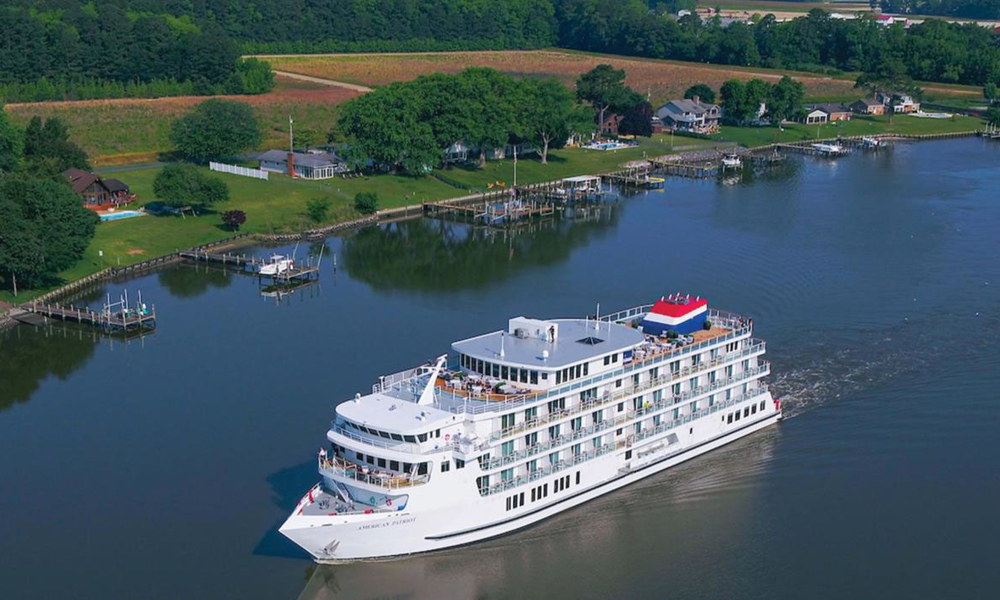

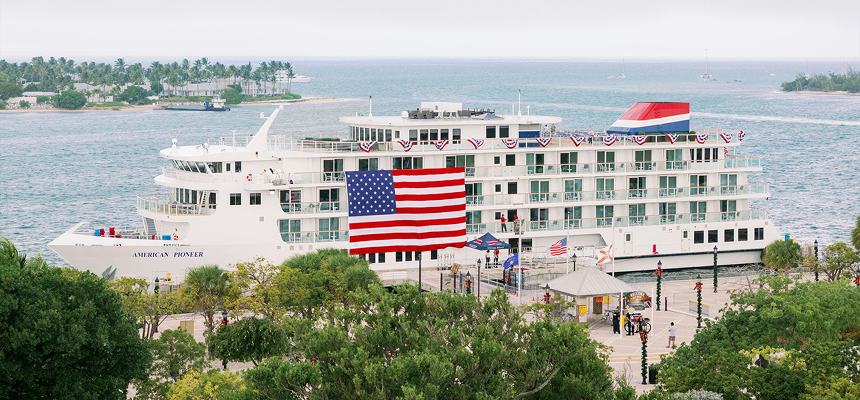
In 2025, American Cruise Lines launched three new vessels American Legend, American Patriot, and American Pioneer. Part of the company’s Project Blue Series, the 100-guest American Legend was christened in February before its inaugural cruise of the Florida Gulf Coast and Keys. Across the ship’s four decks, guests can enjoy private balcony accommodations, indoor and outdoor lounges, a main restaurant, casual café, fitness center and more.
American Patriot and American Pioneer were the first and second vessels, respectively, of the company’s new Patriot Class, a fleet of 130-passenger ships that feature a private balcony for every stateroom and suite. With five decks, the vessels include multiple lounges and dining options, observation decks, and a fitness center, among other amenities.
See the article “Under Construction” for a preview of vessels American Cruise Lines has planned through 2028.
Vessel: Capitol
Operator: Manthey Hospitality
Naval Architect: DeJong & Lebet, Inc.
Type: Dinner cruise boat
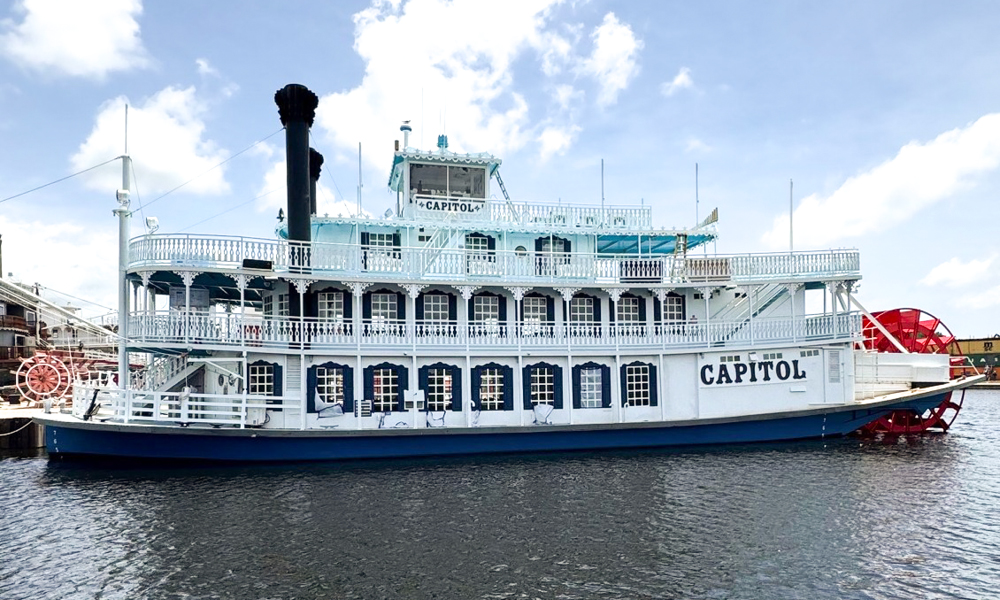
The city of Nashville is welcoming a new vessel this year as the sternwheel paddleboat the Capitol was delivered to Manthey Hospitality this fall. Formerly the Spirit of Peoria, the boat was rehabilitated and recertified in collaboration with naval architects DeJong & Lebet, Inc. and is expected to be in service in the spring of 2026.
Originally built in 1988, the 124ʹ vessel underwent extensive renovations including a repower with 400 kW diesel electric generators driven by Volvo D13 engines. It has a cruising speed of 8 knots and features Fernstrum coolers. The vessel can carry 332 passengers and will offer primarily brunch, lunch, and dinner cruises, as well be available charters.
Vessel: Sol y Luna
Operator: Sunquest Cruises
Naval Architect: DeJong & Lebet, Inc.
Type: Excursion vessel
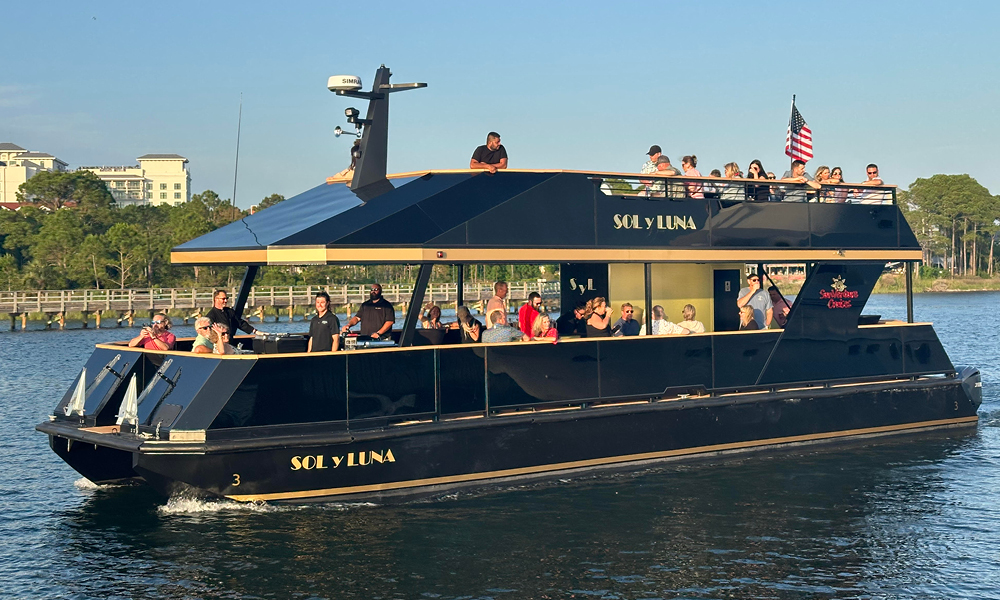
DeJong and Lebet, Inc. delivered a twin-hull, two-deck aluminum vessel built for excursion, sightseeing, and party cruises this year. The 54ʹx16ʹ vessel has a 2ʹ3ʺ draft and is certificated to Coast Guard Subchapter T. It has a capacity of 110 passengers and crew on protected waters and 80 passengers and crew on partially protected waters.
The boat’s covered main deck includes a steering console, seating area, two heads, and a small bar area, while the second deck is open with additional seating. With an 8ʹ deck-to-deck height, there is generous headroom on the covered main deck. The interior has stanchions only along the side railings for an open, unobstructed floor plan.
Powered by a pair of Yamaha 250-hp outboard motors, the vessel carries 110 gals. of fuel on the main deck aft, with water and sewage tanks in the hulls. It is equipped with lighting from IMTRA and Advantec-Freeman deck hatches.
Vessel: Hazel N. Dukes
Operator: Paradise Express Ferry
Builder: Derecktor Shipyards
Type: Tour boat
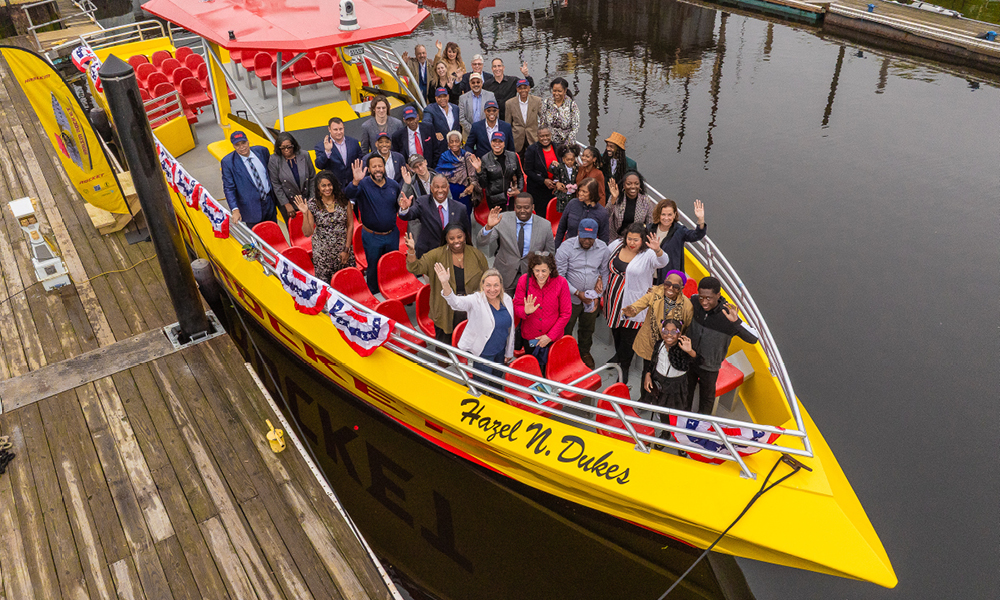
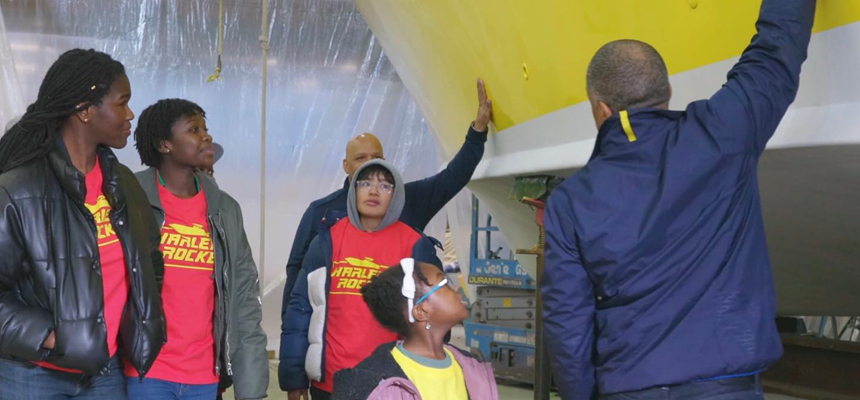
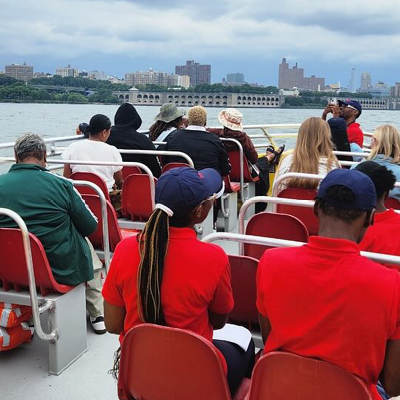
The Harlem Rocket welcomed its first official passengers aboard the Hazel N. Dukes this August, setting sail from the West Harlem Piers in New York City. The 57ʹ, 90-passenger vessel was named in tribute to the civil rights leader and president of the NAACP New York State Conference. It is the city’s first black-owned maritime tour operation and is part of the Harlem Gateway Waterfront Initiative.
Operated by Paradise Express Ferry, the vessel carries guests on high-speed, open-air sightseeing rides along the Hudson River. The Hazel N. Dukes was redesigned by a New York-based naval architect and rebuilt at Derecktor Shipyards. Powered by rebuilt 8V92 turbo engines, featuring cutting-edge navigation technology and equipped with advanced safety systems, the vessel delivers a safe, exhilarating experiences for guests at speeds up to 20 knots.
Structural upgrades, including a new aluminum helm station, updated electrical systems, and enhanced passenger capacity, ensure compliance with U.S. Coast Guard regulations.
Vessel: Juliette Gordon Low II and Susie King Taylor II
Operator: Chatham Area Transit
Naval Architect: DeJong & Lebet, Inc.
Builder: Derecktor Shipyards
Type: Passenger ferry
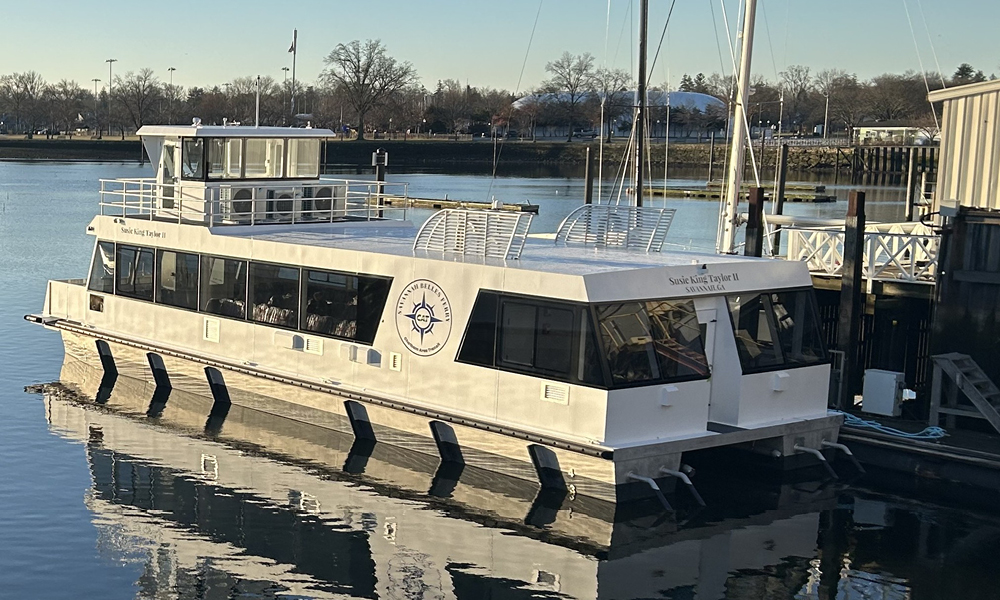
In February, the first hybrid passenger ferries in the U.S. powered by waterjet propulsion entered into service in Savannah, Ga. The Subchapter T Juliette Gordon Low II and Susie King Taylor II carry 150 passengers and two crew on short, continuous routes between three local landings.
The aluminum catamarans are powered by a hybrid electric propulsion system with a pair of Cummins 6.7L marine diesel generators charge lithium-ion batteries for system reliability and consistent performance. The 250 HP electric propulsion motors drive jet drive units furnished by MJP Ultrajet. The hybrid electric system also provides power to run the house loads. Several other PVA associate members are involved in the project with keel coolers provided by Fernstrum, the fire suppression system from Fireboy, Ayres Composite Panels wall panels, and lighting from IMTRA.
The vessels feature an enclosed main deck with Freedman seating and AC (11 tons) and heat and forward boarding area on the main deck. The pilothouse is located on the second deck. The hybrid propulsion systems on all three ferries significantly lower fuel consumption and minimize environmental impact of the fleet.