
Washington State Ferries (WSF) has put in place several workforce development programs in recent years.
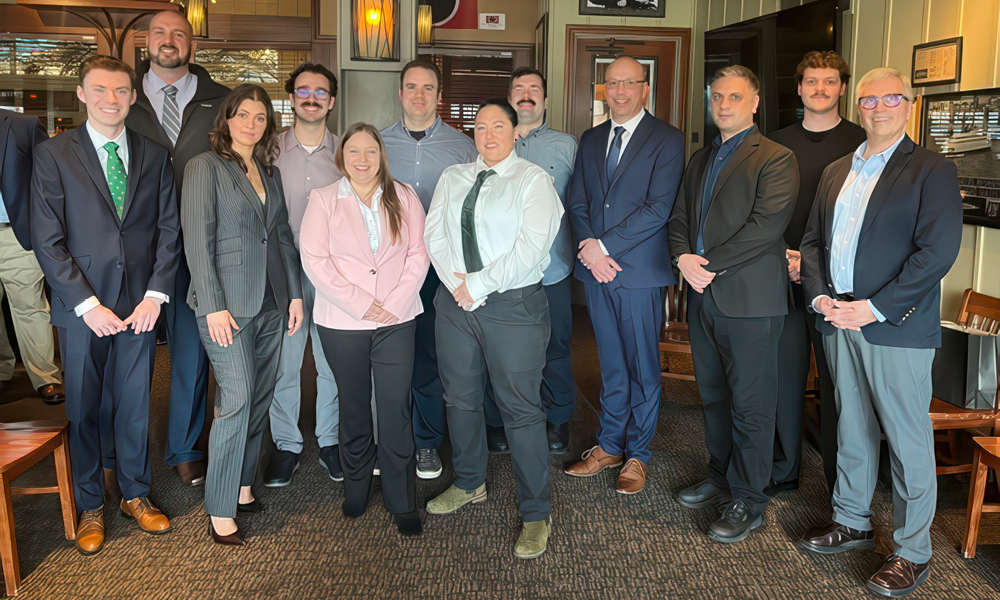
Most notably, in February, they welcomed the first graduates of their licensed deck officer apprenticeship program. This program was launched in partnership with fellow PVA member Maritime Institute of Technology and Graduate Studies (MITAGS). It is a two-year apprentice program designed specifically for WSF and trains people with no maritime experience to become mates and captains, which are our most needed deck positions. Each scholarship covers full tuition, worth more than $100,000. Their second class will finish in early 2027, and they plan to start recruiting the third class in the coming months.
In March, WSF hosted nearly 200 students at their Eagle Harbor Maintenance Facility for our fourth annual Career Day. The event gives local high schoolers a look at maritime job opportunities that they can pursue after graduation, helping them see a future in this field. They learned about the jobs on the ferries, at the terminals and in the operation’s trades shops. Students participate in interactive activities, including demonstrations of firefighting and life-saving equipment, gaining a closer look at what it’s like to work in maritime. WSF is committed to making these jobs more accessible to everyone, including those coming straight out of high school. Their goal is to offer clear paths to long, rewarding careers as the company builds its future workforce.
Members from WSF’s workforce outreach team also look beyond their region to connect with possible future employees. They traveled to New York in March, spending a day with Staten Island Ferry employees. They toured a vessel and their ferry maintenance facility, which is similar in many ways to WSF’s facility at Eagle Harbor. Conversations focused on pathways into maritime careers and the shared opportunities and pressures ferry systems face as they plan for the future.
A second day was spent at State University of New York Maritime College where the team met with students, many of whom are graduating with licenses and technical training for vessel operations, engineering, and maritime logistics.