
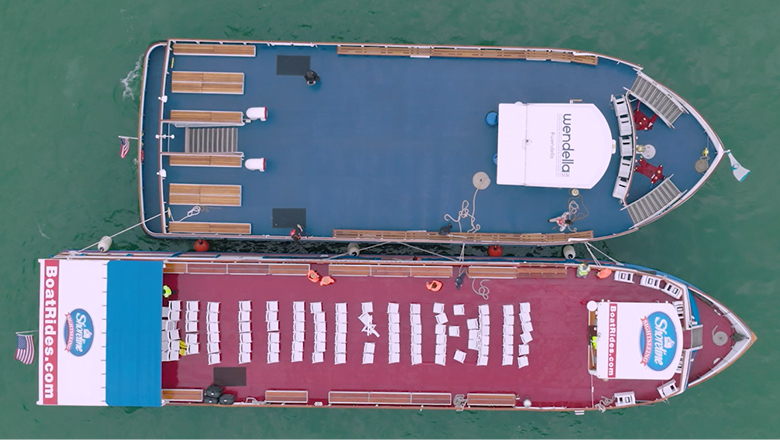
“There are multiple reasons why you may need to abandon ship. These can range from serious—fire, taking on water, to less urgent matters such as a mechanical breakdown. Remember, that in most circumstances your vessel is your best protection, but once the captain decides that the vessel is no longer a safe refuge the order will be given to abandon ship.”
Abandon ship is one of three core drills all passenger and small passenger vessel crews need to conduct on a routine basis. While drills such as firefighting and man overboard are relatively quick practical crew proficiency demonstrations of procedures and techniques, an abandon ship drill, with notable exceptions discussed below, usually is a mustering exercise and crew discussion that stops at the point of passengers disembarking the vessel. Casualties in the not so recent past remind us that being prepared for this low probability/high consequence event can mean the difference between life and death. Fortunately, there are ways to improve crew preparedness through determining operational risks, training, and engaging local first responders.
The Regulations
Subchapters K (46 CFR 122.520), T (46 CFR 185.520), and W (46 CFR 199.180) have similar provisions for an abandon ship drill. All domestic passenger and small passenger vessel masters must conduct drills and training for new crew members prior to getting underway for the first time on a particular vessel their duties in an emergency. After that, Subchapters K and W require monthly drills or when more than 25 percent of the crew has not participated in a drill on board the particular vessel or a sister vessel in the previous month. Subchapter T requires abandon ship drills every three months.
Generally, the regulations require each abandon ship drill to include:
- Summoning the crew to report to assigned stations and prepare for assigned duties
- Summoning passengers on a vessel on an overnight voyage to muster stations or embarkation stations and ensuring that they are made aware of how the order to abandon ship will be given
- Checking that passenger have correctly donned life jackets
- Operation of any davits used for launching life rafts (if installed) at least every three months
- Instruction on the automatic and manual deployment of survival craft (life floats, inflatable buoyant apparatus, inflatable life rafts, or lifeboats)
The regulations remind the owner, operator, or master of the vessel that an abandon ship drill must, as far as practicable, be conducted as if there were an actual emergency.
Although not mentioned in Subchapters K and T, but required in Subchapter W, vessels fitted with a marine evacuation system (slide or other device) will have the crew drill on the procedures for deployment right up until the actual deployment. Crewmembers responsible for deploying a marine evacuation system are required, as far as practicable, to participate in a full deployment at least once every three years, with two years being preferred.
As with other drills and training, abandon ship drills and training shall be logged or otherwise documented for review by the U.S. Coast Guard upon request. The drill entry shall include the date of the drill and training and a general description of the drill scenario and training topics.
Considerations For Improving Drills And Training
An effective abandon ship drill minimizes panic and improves crew proficiency and confidence. In order to know what should go into a drill beyond the regulatory minimum, the vessel owner/operator and captain must identify the risks of the operation and capabilities of the vessel, crew, and equipment as they relate to abandoning the vessel.
Specific considerations include:
- Vessel construction – material, number of decks, designated muster areas and areas of refuge, egress from muster station to a dock, other vessels, or the water
- Number of crew assigned to abandon ship duties – if crew have other duties such as firefighting, at what point do they transition to abandon ship
- Installation of a fire suppression system and the impact on vessel propulsion and maneuverability
- Operating area of the vessel – river, bay, offshore
- Emergency mooring points identified along the vessel’s route – accessible by local first responders
- Availability of local emergency response units both on water and shoreside
- Ability of other commercial vessels to render assistance and take passengers off the vessel
Other procedures not covered specifically in the regulations for an abandon ship drill but are important elements when conducting a drill or exercise include:
- General alarm signal and communication with passengers
- May day call to the Coast Guard – the captain must be able to provide specific information regarding the emergency including nature of distress, vessel location/position, and persons on board
- Accountability – crew must verify that all passengers are accounted for and the number of passengers leaving the vessel matches the number who boarded
- Drill variables such as simulating blocked escape routes or missing crew members
- Interacting with first responders – knowing the basics of the Unified Command structure and how company personnel will be involved
- Media relations – who from the company will talk to the media
At the end of any drill or exercise it is important to review the event to identify communication breakdowns or equipment issues, ensuring lessons learned are applied to future operations both by the vessel owner/operator and the first responders.
Engaging Port Partners and Local First Responders
Following some high-profile casualties involving passengers abandoning vessels due to fire, PVA developed tools to help start discussions between vessel operators and local fire departments. Those tools are located in the Member Resources area of the PVA website.
While this may seem daunting to some operators, many ports have Harbor Safety Committees or Marine Exchanges to foster relationships among port partners. These groups also identify areas of concern within the port and help coordinate various port-level exercises.
Notable Exceptions
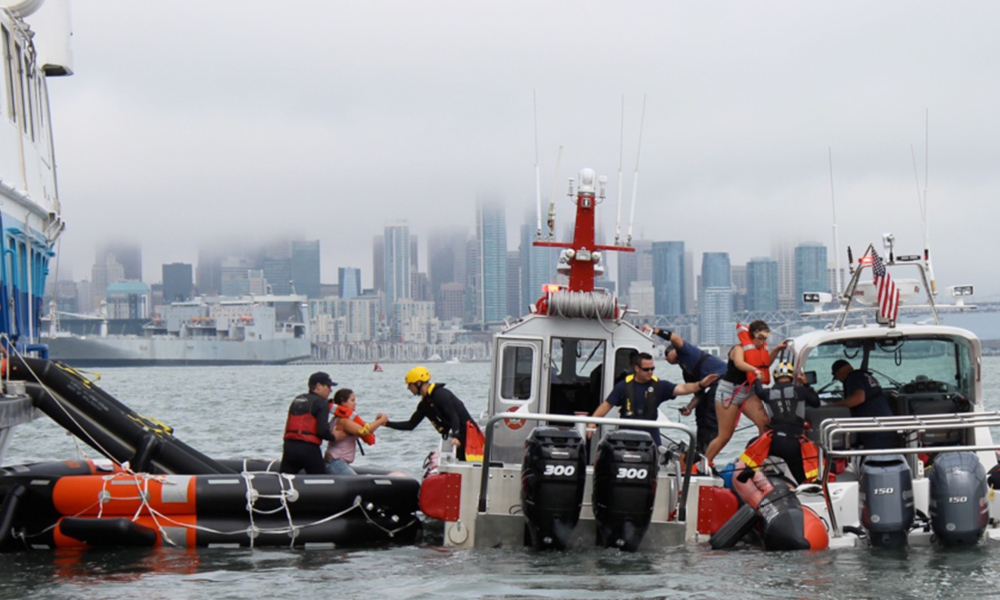
Regarding abandon ship drills and exercises, some ports take it to the next level. The San Francisco Bay Area’s Vessel Mutual Assistance Plan (VMAP) and Chicago’s Cooperative Rescue Agreement are well established and provide invaluable opportunities to the vessel operators and port partners that participate.
PVA encourages our members to get involved in drills and exercises within your port community. By bringing all concerned parties to the table in advance if an incident, identifying areas of improvement, and putting into place practical response solutions we can mitigate many of the high consequences associated with abandoning a vessel.

Eric Christensen is the PVA Director of Regulatory Affairs & Risk Management