
The Passenger Vessel Association (PVA) and the U.S. Coast Guard have a long history working together on the nation’s waterways. Their interactions have evolved with industry trends, technological advancements, and changing regulations. Over the years passenger vessel operators and Coast Guard marine inspectors have agreed on issues and they have also disagreed. But at the core, this relationship is grounded in a mutual respect and a commitment to safety and professionalism.
In 1996, an important charter was signed by PVA and the Coast Guard that created the Quality Partnership Action Team (PAT); the precursor of today’s Quality Partnership (QP). Leaders from both organizations viewed communication as a key to greater understanding and success, and with a growing recognition that maritime safety could be improved more effectively through collaboration rather than relying solely on enforcement and regulation. This new cooperative effort was dedicated to promoting safety while also protecting the marine environment and strengthening communication between government regulators and passenger vessel operators through non-regulatory means.
As originally intended 30 years ago, today’s PVA/Coast Guard QP allows leaders from PVA and the Coast Guard to meet to address operational concerns in an open, problem-solving environment instead of reacting only after a disagreement or an accident occurs. Over the years QP working groups have been formed to solve pressing challenges. These groups have included experts from each organization who analyzed data and employed extensive industry knowledge to develop logical and effective safety solutions. They have tackled a wide range of projects focusing on timely issues such as preventing slips, trips, and falls; fire safety; manning; and security to mention just a few.
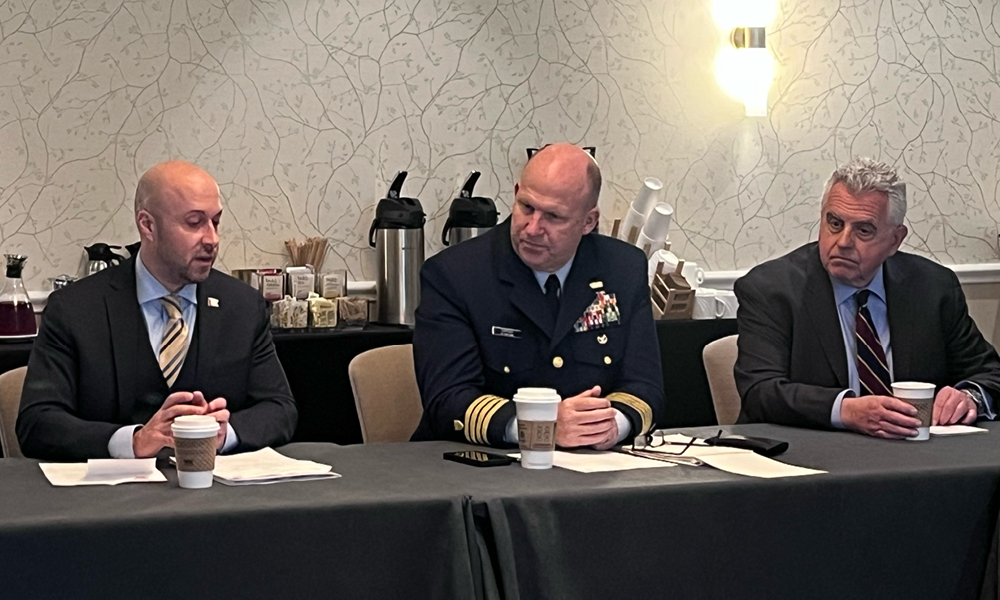
PVA’s current leadership and staff participated in a QP meeting in April with Coast Guard leaders in the first of two meetings to be held this year. The agenda was packed with topics of mutual interest. The meeting concentrated on the lack of prevention focus on Force Design 2028, Coast Guard inspector training, PVA Flagship program and Safety Management Systems, marine firefighting, restoration of Coast Guard small boat stations, maintaining ATONS on inland waters, illegal charters, and cybersecurity regulations.
The strength of the PVA/Coast Guard QP lies in its long-term non-regulatory influence on maritime safety culture in the United States. By bringing regulators and operators together in a non-regulatory environment, the QP continues to build trust and promote communication between PVA and the Coast Guard.
The next QP meeting will be held in the Fall.
PVA Congressional Fly-In a Huge Success
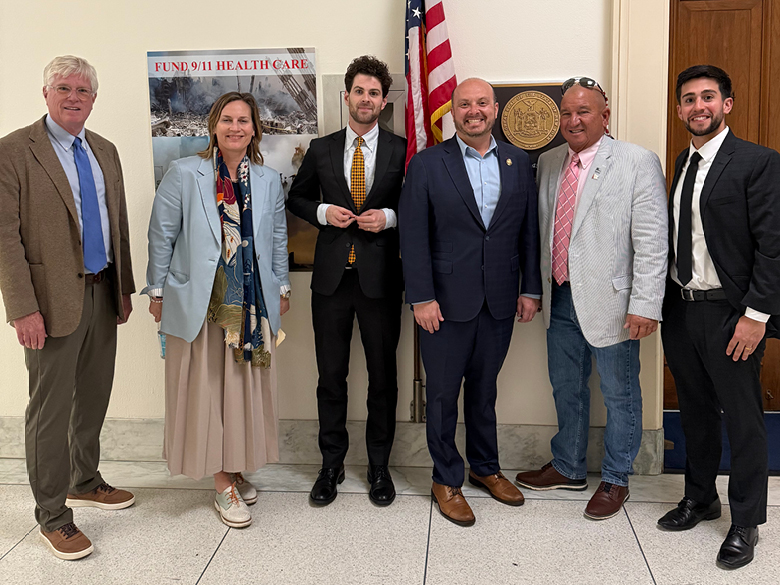
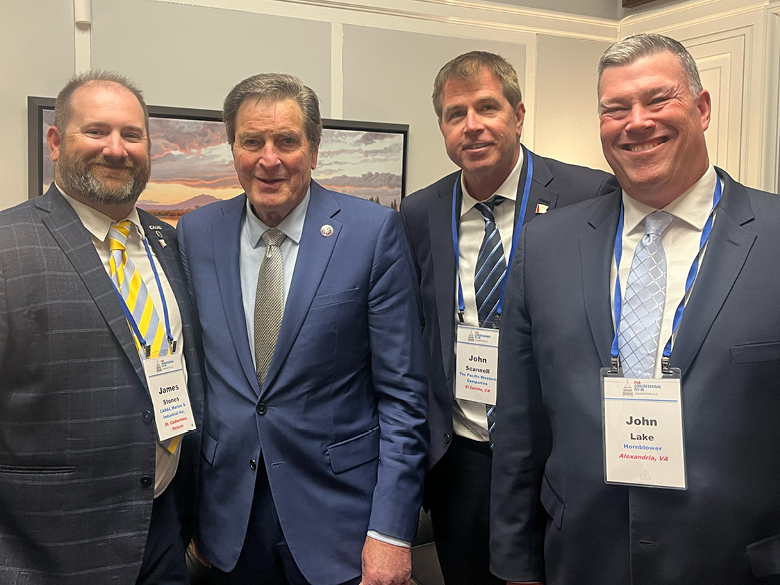
In April, nearly 40 PVA members—both vessel and associate—gathered in Washington D.C., to participate in the annual PVA Congressional Fly-In. These PVA members took part in 32 meetings with members of Congress and their staff members to highlight the passenger vessel industry, discuss pressing issues and challenges, and seek support for current and future industry legislative priorities.
Members of Congress and their staff are very receptive to meeting face-to-face with constituents and business leaders. They are genuinely interested in hearing about the challenges and opinions of individuals and businesses in their districts and states. These types of interactions are extremely valuable not only in airing concerns and discussing important issues of the day, but they also provide an opportunity to heighten the visibility for the significance of the passenger vessel industry and the many services and benefits it provides to the public at large. We do notice that those on the Hill are very familiar with the topics that we discuss with them and we believe that much of this is linked to PVA consistently communicating with them through PVA’s Congressional Fly-Ins and ongoing staff contact. The relationships that PVA members build through this annual event delivers long term benefits.
The following are a just a few of the issues that were covered in this year’s PVA Congressional Fly-In:
- Adequate funding for the Coast Guard’s marine inspection and training missions
- Concerns about Coast Guard service delivery
- Need for expanded illegal charter enforcement
- Increased funding for the Small Shipyard Grant Program
- Increased funding for the Federal Highway Administration Ferry Grant Program
- Increased funding for the Federal Transit Administration Ferry Grant Program
- Concerns about future funding for U.S. Army Corps of Engineers
PVA members who participated in this year’s PVA Congressional Fly-In were successful in building lasting relationships while also emphasizing issues of importance to their businesses and to the passenger vessel industry.
Please plan on joining us next spring in Washington D.C., for the PVA Congressional Fly-In. I promise that you will find it to be a rewarding experience.
PVA Introduces New Pitting Plate Assessment Tool
PVA recently released an exciting new software program that will help PVA members strengthen their preventative maintenance programs. The PVA Pitted Plate Assessment Tool (PPAT) is a free resource to assist in maintaining hull integrity. A direct example of the contributions of the QP, the PPAT was developed by a joint PVA/Coast Guard QP working group to help passenger vessel operators and others evaluate hull pitting and document their findings before receiving a Coast Guard inspection.
Work group developers, such as Captain Bob Bijur of Island Queen Cruises, felt strongly that there needed to be a way for operators to not only measure existing hull condition, but to build this capability into existing vessel preventative maintenance programs. In using the PPAT, vessel operators and marine Inspectors can make better maintenance decisions that saves time and money.
The newly released PPAT provides the following benefits to users:
- Demonstrates proactive hull monitoring between Coast Guard inspections
- Provides quantitative data to support alternatives to “crop and renew” plate replacement
- Challenges or supplements a Coast Guard finding with independent, methodology-backed data
- Prioritizes which areas of the hull need immediate attention versus continued monitoring
- Builds documentation in advance of a formal repair proposal
The PPAT working group is quick to caution that the new tool does not replace the use of a qualified marine surveyor or a Coast Guard inspector. They do point out, however, that using and incorporating the PPAT into your ongoing preventative maintenance program provides data that will allow you to propose defensible alternatives to full plate assessment when circumstances permit.
If you would like to explore all that the new PVA Pitted Plate Assessment Tool has to offer, go to passengervessel.com/ppat. I hope that you find this exciting new member benefit to be useful.
In the meantime, please let me know whenever we can be of assistance to you.
Sincerely,
John R. Groundwater
Executive Director

John Groundwater is the Executive Director of the Passenger Vessel Association.