
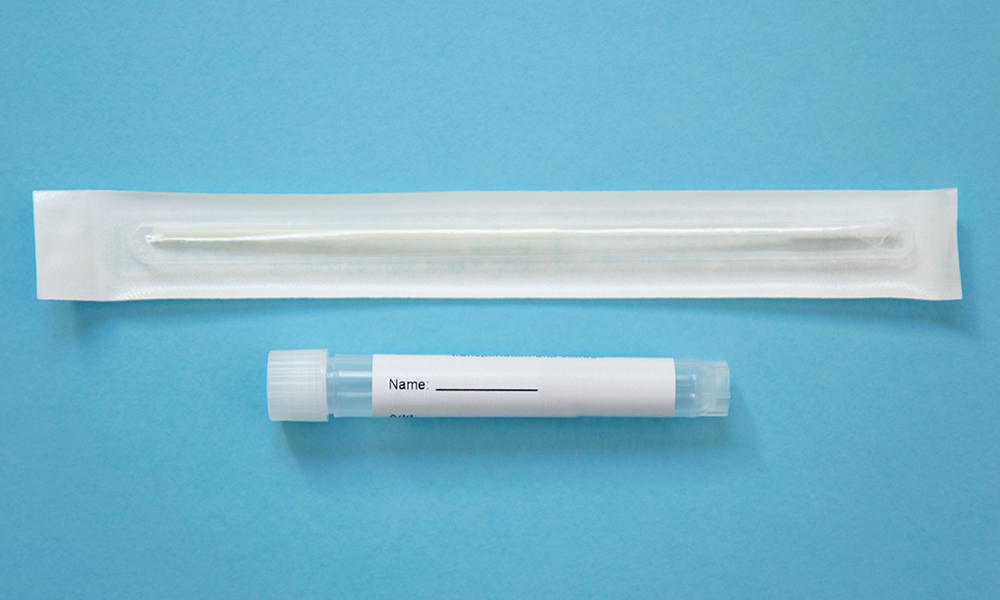
An Update On Oral Fluid Tests.
Marijuana prohibition is ending. In April, the Justice Department moved FDA-approved marijuana products and state-licensed medical marijuana into Schedule III of the Controlled Substances Act. As I write this, the DEA is holding an expedited hearing—June 29 through July 15—on rescheduling marijuana entirely. Forty states license medical marijuana. Recreational use is already legal in the majority of states where PVA members operate, including the entire West Coast, most of the Northeast, and several Great Lakes states.
What has not changed are our drug testing obligations. In May, the Department of Transportation (DOT) confirmed in writing that using a state-licensed marijuana product is not a legitimate medical explanation for a positive DOT drug test. Rescheduling does not affect the mandatory testing our mariners face under 46 CFR Part 16 and the DOT protocols in 49 CFR Part 40. Nor should it. An impaired captain or deckhand is a danger to every passenger aboard, and our members carry millions of them each year. Our interest is simple. We need to know our crewmembers are sober when they report for watch. Whether they legally used a legal product on their own time three weeks ago is not our business. That is the exact standard we already apply to alcohol.
Urinalysis detects marijuana metabolites for weeks, sometimes as long as eight weeks after use. It measures history, not impairment. In PVA markets where recreational use is legal, that gap is now a hiring problem. Operators are turning away qualified candidates. Good prospects look at an industry that penalizes lawful off-duty conduct and walk away. This is happening while the maritime workforce shortage is at its worst.
There is a better tool; it has been sitting on the shelf for three years. Oral fluid testing is the closest thing to an impairment test that exists. It detects use within the past day, not the past two months. Collections are directly observed, so the privacy problems of restroom collections disappear and cheating gets much harder. You can run one anywhere: aboard the vessel, dockside, in the field. HHS authorized it in 2019. DOT authorized it in June 2023. Three years later, not one PVA member can use it, because not a single U.S. laboratory has been certified to process oral fluid specimens. One lab has even sought certification. It is in Canada.
Oral fluid testing is the closest thing to an impairment test that exists. It detects use within the past day. Collections are directly observed. You can run one anywhere.
Think about what that means on a working vessel. Urine collection requires a private restroom and a same-gender collector. Try arranging that at a remote dock at 0600, or aboard a small vessel with one head and a crew of three. Oral fluid collection needs a swab and a witness. It costs less than urinalysis. It takes less time out of the operating day. For a small operator running post-incident or reasonable cause testing, that difference is real money and real crew hours.
The bottleneck has been the Food and Drug Administration(FDA). Its 510(k) medical device clearance requirement was built for hospital diagnostic equipment, and it has blocked the laboratory infrastructure that federal drug testing programs need. This spring the FDA finally moved. On May 1, it published a Notice of Intent at Docket No. FDA-2026-N-4268 to exempt these devices from the 510(k) requirement. On June 29, I signed PVA’s formal comments backing the proposal and pushing FDA to finish the job: cover the full federal testing panel including PCP, cover the oral fluid collection devices themselves, make existing inventory usable immediately, exercise enforcement discretion in the interim, and formally recognize SAMHSA and the National Laboratory Certification Program as the governing authorities for this forensic testing framework. The American Waterways Operators filed parallel comments the next day. FDA faces a statutory 120-day deadline, so a final determination is due by the end of August.
One more point. This is a deregulatory initiative. We are asking the federal government to eliminate a duplicative clearance requirement that forces manufacturers to prove device performance twice, to two different agencies, under a framework never designed for workplace drug testing. PVA will always push for less regulation and more operator flexibility. This effort fits squarely within the administration’s own regulatory reform agenda.
The federal government has already decided that oral fluid testing is scientifically valid. Our job is to make sure the last barrier comes down. If outdated testing rules have cost you a good candidate, tell us. Those stories are the most persuasive advocacy we have, and PVA’s Legislative Committee will continue to advocate for this member flexibility.
Safe sailing.
Sincerely,

Andrew Sargis
PVA President, 2026

Andrew Sargis, PVA President 2026